
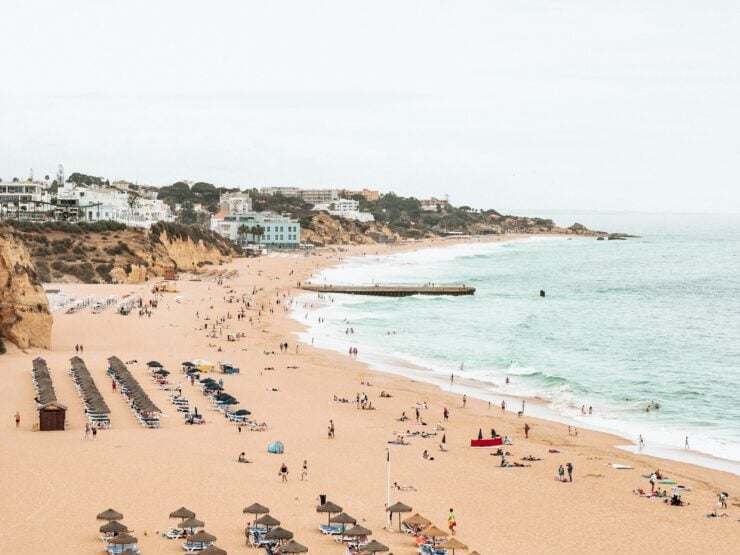
Snowbirding in Portugal: A Winter Guide for Canadians
Florida and Arizona are no longer the only winter escapes for Canadian snowbirds. Portugal offers mild winters, sunny beaches, walkable towns and long-stay rentals at off-season prices, and some Canadians end up buying a winter home there. This guide covers snowbirding in Portugal: how long you can stay, where to go, what it costs, and how to protect your provincial health coverage. Still weighing your options? Compare Portugal vs Florida for snowbirds.
How Long Can Canadians Stay?
Canadians can visit Portugal without a visa for up to 90 days in any 180-day period. That limit covers the whole Schengen area, so days spent in Spain, France or Italy count too. Owning a home in Portugal does not change the limit. To stay longer, you need a national visa, such as the D7 visa.
The EU is also rolling out new border systems that record entries and exits electronically, and a pre-travel authorization (ETIAS) is planned. Check the latest requirements before each trip.
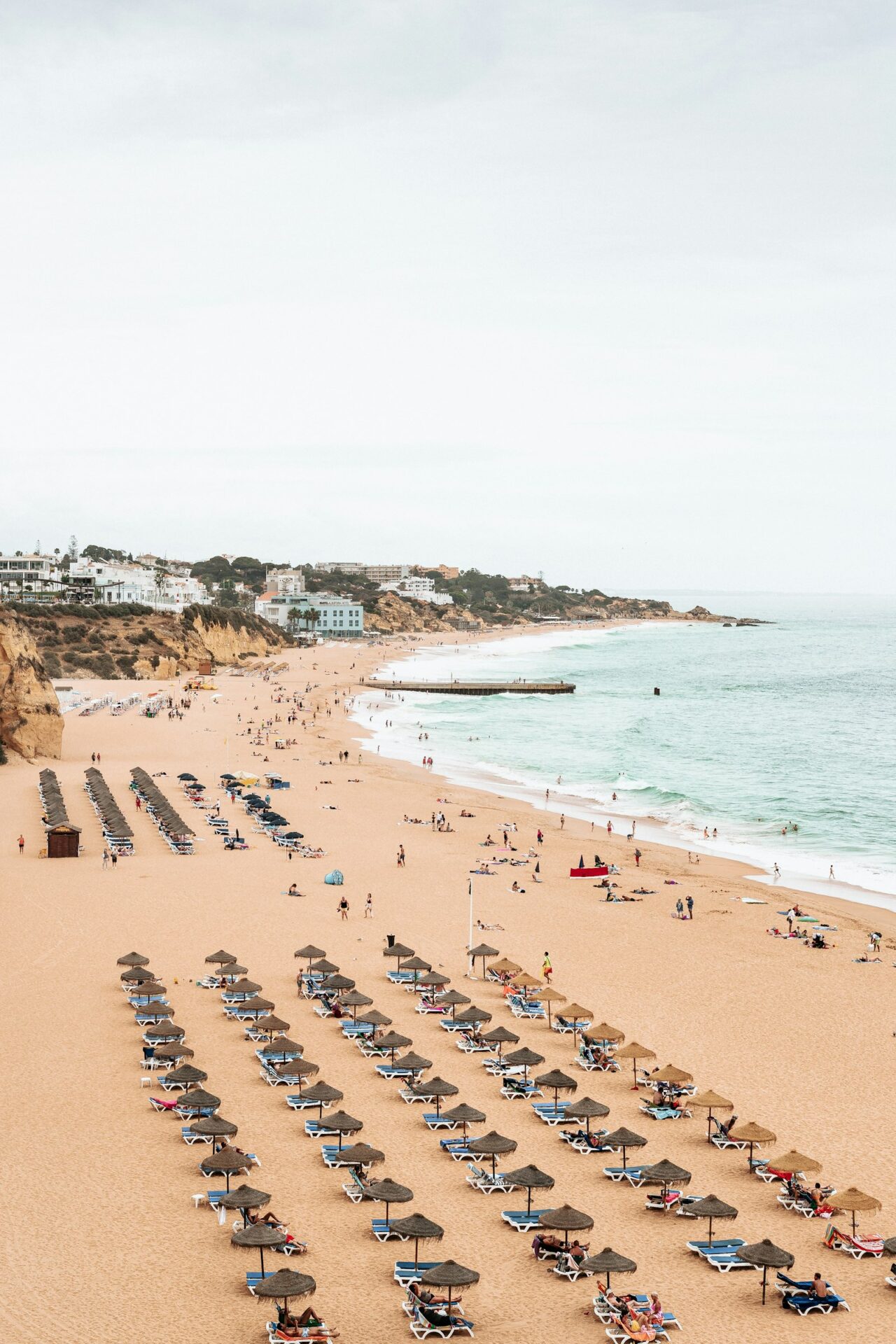
Where Snowbirds Go in Portugal
- The Algarve: the most popular choice, with the most winter sunshine and daytime temperatures often in the mid-teens. Towns like Tavira, Lagos and Albufeira have large winter communities.
- Madeira: the mildest winters in Portugal, with spring-like weather almost all year.
- Cascais and the Lisbon coast: mild, with city culture close by, though wetter than the Algarve.
Compare towns in our guide to the best places to retire in Portugal.
What a Portugal Winter Costs
Long-stay winter rentals in the Algarve are often much cheaper than summer rates, and many owners offer monthly prices from October to April. Eating out, groceries and transit cost less than in most of Canada. Budget for heating, since many Portuguese homes have little insulation or central heating. See the cost of living in Portugal vs Canada.
Protect Your Provincial Health Coverage
Each province limits how long you can be away each year and still keep coverage. Ontario, for example, generally allows up to 212 days outside Canada in a 12-month period. Check your own province’s rules, and buy travel medical insurance that covers your full stay, since provincial plans pay little abroad. Learn more in healthcare in Portugal for Canadians.
Taxes for Snowbirds
Spending less than 183 days a year in Portugal, without making it your main home, generally keeps you a Canadian tax resident. If you buy a home and rent it out while you are in Canada, rental income is taxable in Portugal and must also be reported to the CRA.
Renting vs Buying a Winter Home
- Rent for your first winter or two to try different towns.
- Buy once you know where you want to be, and consider renting the home out in summer, subject to short-term rental rules.
Browse Algarve homes for sale or tell us what you need.
The Azores are another mild-winter option. Read our guide to living in the Azores.
A Sample Winter in Portugal
Many Canadian snowbirds split their winter between two or three places rather than staying in one town. A popular pattern for a three-month stay:
- December in Lisbon or Porto. Christmas markets, lights and city culture, with easy access to restaurants and services.
- January and February in the Algarve. The sunniest and mildest part of mainland Portugal, with quiet beaches, golf and long coastal walks.
- March in Madeira or back on the mainland. Madeira stays mild all winter, and by March the Algarve countryside is green and full of almond blossom.
Book long stays early. Winter monthly rates are much lower than summer prices, but the best-value apartments, especially ones with good heating, are often reserved months in advance.
Practical Tips for Canadian Snowbirds
- Pack for cool evenings indoors. Days are mild, but homes can feel chilly. Choose rentals with heat pumps or air conditioning that heats.
- Buy travel medical insurance. Provincial plans cover very little abroad, so a policy that covers your full stay is essential.
- Check your provincial absence limits. Most provinces cap how long you can be away each year and still keep coverage.
- Track your Schengen days. The 90 days in any 180-day period include time spent in Spain, France and other Schengen countries.
- Rent a car only where you need one. Cities have good transit, but the Algarve and Silver Coast are much easier with a car.
Have questions about snowbirding in Portugal? Our team helps Canadians at every step, from the first search to settling in. For official, up-to-date information, see the Government of Canada’s travel advice for Portugal.
Thinking of buying a winter home in the south? See our guide to buying property in the Algarve.
FAQs: Snowbirding in Portugal
How long can Canadians stay in Portugal without a visa?
Up to 90 days in any 180-day period across the whole Schengen area. For longer stays, you need a national visa such as the D7.
Where is the warmest place in Portugal in winter?
Madeira has the mildest winters, followed by the Algarve, which also has the most winter sunshine on the mainland.
Will I lose my provincial health insurance if I winter in Portugal?
Not if you stay within your province’s absence limit. Ontario, for example, generally allows up to 212 days outside Canada in 12 months.
Can I stay longer in Portugal if I own a home there?
No. Owning property does not extend the 90-day limit. You need a residency visa to stay longer.
Do I need travel medical insurance for a winter in Portugal?
Yes. Provincial health plans cover very little of the cost of care abroad, so Canadian snowbirds should buy travel medical insurance for the full length of their stay.
Can I drive in Portugal with my Canadian licence?
Visitors can generally drive in Portugal with a valid Canadian licence. Carrying an International Driving Permit is recommended, and some car rental companies ask for one.
Talk to a Portugal Property Specialist
Every move is different. If you are a Canadian thinking about buying in Portugal, get in touch with Annamarie for a no-pressure conversation, or tell us what you are looking for on our Help Me Find a Property page.
This article is general information, not legal, tax or financial advice. Rules change often, so confirm details for your situation with a qualified professional.
Keep reading