

Living in the Azores as a Canadian: Islands, Costs and Lifestyle
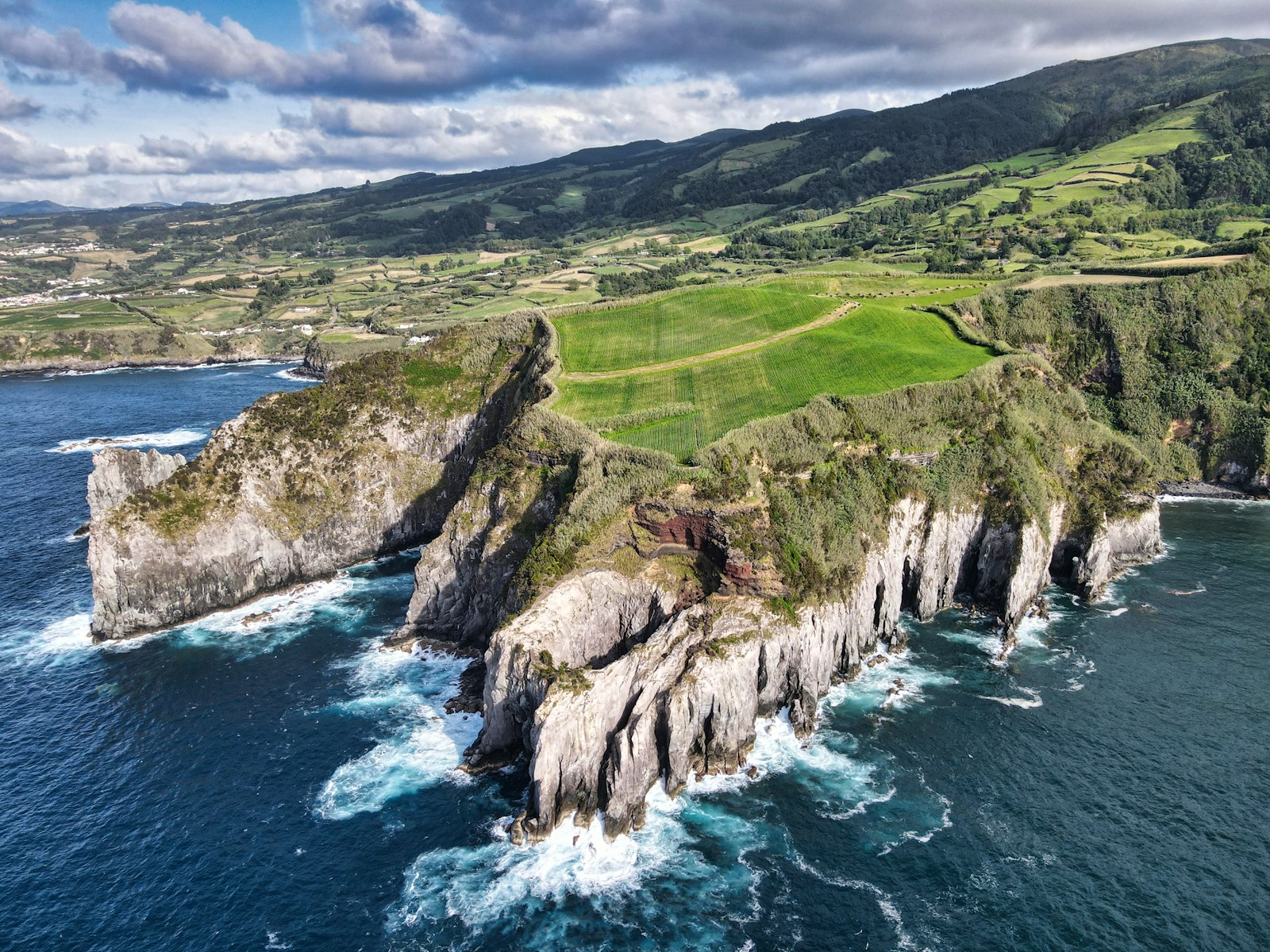
The Azores are Europe’s closest point to Canada: nine volcanic islands in the middle of the Atlantic, about a five-hour flight from Toronto. Green crater lakes, hot springs, whale watching and a slower way of life draw a growing number of Canadians, and many Portuguese Canadians have family roots here. This guide covers what living in the Azores is really like, which islands to consider, and what to know before buying.
Why Canadians Are Drawn to the Azores
- Close to home: seasonal direct flights from Toronto, and Azores Airlines connections from Toronto and Montreal.
- Natural beauty: crater lakes, waterfalls, hiking trails and dramatic coastlines.
- A mild climate: no snow and no extreme heat, though it rains often and the weather changes quickly.
- Strong Canadian ties: a large share of Portuguese Canadians trace their roots to the Azores.
- Value: homes generally cost less than in Lisbon or the Algarve.

Which Island?
São Miguel
The largest island and home to Ponta Delgada, the main city, airport and hospital. It has the most services, shops and international residents, plus famous sights like Sete Cidades and Furnas.
Terceira
Home to Angra do Heroísmo, a UNESCO World Heritage city with colourful streets and a strong festival culture. Terceira has an airport and hospital and feels relaxed and close-knit.
Pico and Faial
Pico is known for Portugal’s highest mountain and its UNESCO-listed vineyards; Faial, a short ferry away, has the sailing town of Horta. These islands suit buyers who want peace and nature above all.
Cost of Living and Property
Everyday costs and property prices in the Azores are generally lower than on the mainland coast, especially outside Ponta Delgada. The Azores, as an autonomous region, also apply reduced regional income tax rates. Remember that some goods cost more because they are shipped in. As a non-resident, budget about 9% to 11% on top of the price for taxes and closing costs, explained in our property taxes guide.
Healthcare and Services
The main islands have hospitals, and residents can register with Portugal’s public health system. Smaller islands have health centres, with serious cases transferred to larger hospitals. Read more in healthcare in Portugal for Canadians.
Things to Know Before You Move
- Humidity is high, so choose homes with good ventilation and damp-proofing.
- A car is essential outside Ponta Delgada.
- Inter-island travel depends on weather, and flights can be delayed.
- Learning some Portuguese helps a lot in smaller communities. See our tips for learning Portuguese.
Browse Azores homes for sale or tell us what you need.
Getting Around and Getting Home
São Miguel, the largest island, is the main gateway to the Azores. Ponta Delgada airport has the most international connections, including flights to and from Toronto that make the Azores the closest part of Portugal to Canada. Other islands connect by short inter-island flights, and in summer some are linked by ferry.
On the islands, a car is close to essential. Public buses run between towns on the larger islands, but schedules are limited, especially in rural areas. Many residents also use the regular flights to Lisbon for shopping, specialist medical care and connections to the rest of Europe.
Buying Property in the Azores
The buying process is the same as on the mainland: get a NIF, open a Portuguese bank account, hire an independent lawyer, sign the promissory contract (CPCV) and complete at the deed (escritura). Canadians face no restrictions on buying.
A few points matter more in the Azores:
- Humidity. The climate is mild but damp. Check for mould, ventilation and the condition of roofs and windows.
- Building and renovation licences. Many rural stone houses have been extended over the years. Your lawyer should confirm that what you see matches what is registered and licensed.
- Access and services. On smaller islands, check how far you are from shops, the health centre and the airport.
- Resale market. The market is smaller than on the mainland, so plan to hold the property for the longer term.
Have questions about living in the Azores? Our team helps Canadians at every step, from the first search to settling in. For official, up-to-date information, see Visit Azores.
FAQs: Living in the Azores
How far are the Azores from Canada?
The Azores are about a five-hour flight from Toronto, making them the closest part of Europe to Canada.
Are there direct flights from Canada to the Azores?
Yes. There are seasonal direct flights from Toronto to Ponta Delgada, and Azores Airlines connects the islands with Toronto and Montreal.
Which Azores island is best to live on?
São Miguel has the most services and the largest community. Terceira is relaxed and historic, and Pico and Faial suit buyers seeking peace and nature.
Is property in the Azores cheaper than mainland Portugal?
Generally, yes, especially outside Ponta Delgada.
Is it humid in the Azores?
Yes. The Azores have a mild but humid oceanic climate. Good ventilation, a dehumidifier and a well-maintained home make a big difference to comfort.
Can I live in the Azores on a Portuguese residency visa?
Yes. The Azores are part of Portugal, so visas such as the D7 and Digital Nomad visa let you live on any of the islands.
Talk to a Portugal Property Specialist
Every move is different. If you are a Canadian thinking about buying in Portugal, get in touch with Annamarie for a no-pressure conversation, or tell us what you are looking for on our Help Me Find a Property page.
This article is general information, not legal, tax or financial advice. Rules change often, so confirm details for your situation with a qualified professional.
Keep reading