
Buying Property in the Algarve: A Guide for Canadians
With around 300 days of sunshine a year, golden beaches and established English-speaking communities, the Algarve is the first place many Canadians look in Portugal. This guide covers buying property in the Algarve as a Canadian: the main areas, what homes cost, how the process works and what to check before you sign.
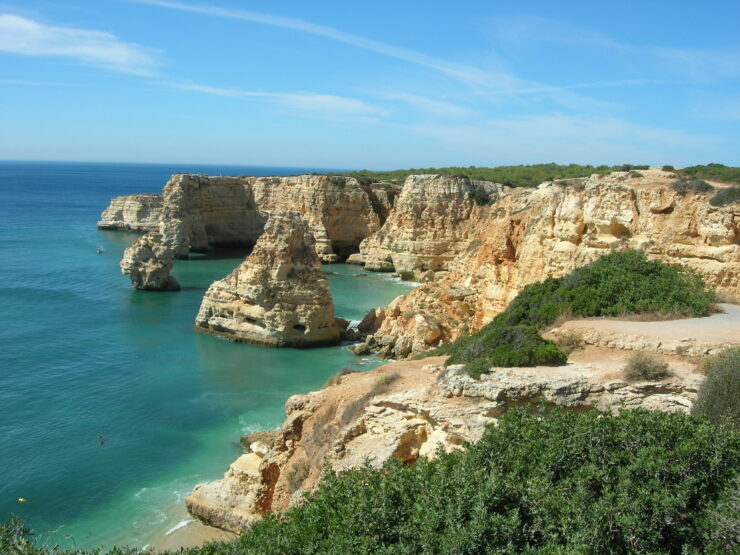
The Algarve stretches about 150 km along Portugal’s south coast, from the wild Atlantic cliffs near Sagres to the Spanish border. Prices, lifestyle and the rental market change a lot from one end to the other, so it pays to understand the regions first.
Why Canadians Choose the Algarve
- Climate: mild, sunny winters that make it a favourite with snowbirds and retirees
- Lifestyle: beaches, golf, seafood, walking trails and a relaxed pace
- Community: large international communities and English widely spoken in the main towns
- Services: private hospitals and clinics in Faro, Portimão, Lagos and Albufeira, plus public healthcare
- Access: Faro Airport, with connections to Lisbon and across Europe
Many Canadians first come for the winter. Our guide to snowbirding in Portugal explains how long you can stay and what a season costs.
Algarve Property Prices
According to Statistics Portugal (INE), homes in the Algarve sold at a median of about €3,500 per square metre in the second quarter of 2026, the second-highest level in the country after Greater Lisbon. Loulé, the municipality that includes Vilamoura, Quinta do Lago and Vale do Lobo, had a median of about €4,137 per square metre over the 12 months to June 2026.
Medians hide big differences. Frontline villas in the Golden Triangle sell for many millions, while apartments in eastern or inland towns can cost far less than the regional figure. Use local comparables, not averages, when you make an offer.
Western Algarve: Lagos, Praia da Luz and Sagres
The western Algarve has dramatic cliffs, sea grottoes and a more natural feel. Lagos is the hub, with a walled old town, a marina and a lively year-round community. Praia da Luz and Burgau are smaller and quieter, and Sagres attracts surfers and nature lovers. Read our full guide to buying property in Lagos.
Central Algarve: Carvoeiro, Albufeira and Vilamoura
The central Algarve is the busiest stretch of coast, with resort towns, golf courses and marinas. Carvoeiro is a pretty cliff-top village, Albufeira is lively and popular with holidaymakers, and Vilamoura is built around a large marina and golf. Rental demand is strong here, but so is summer traffic.
The Golden Triangle: Quinta do Lago, Vale do Lobo and Almancil
The area between Almancil, Quinta do Lago and Vale do Lobo is the Algarve’s luxury market, with gated resorts, championship golf and the Ria Formosa lagoon. It is the most expensive part of the region and popular with high-net-worth buyers from across Europe and North America. See our guide to Quinta do Lago luxury property.
Eastern Algarve: Tavira and Olhão
East of Faro, the Algarve feels more traditional. Tavira is an elegant riverside town with Roman bridges and island beaches, and Olhão is a working fishing town with a famous market. Water in the eastern Algarve is calmer and warmer, and prices are usually lower than in the west and centre.
Inland Algarve: Loulé, Silves and the Hills
Inland towns like Loulé, São Brás de Alportel and Silves offer authentic Portuguese life, markets and more space for your money, while the beaches are a short drive away. The hills around Monchique are cooler and greener. Inland homes often sit on rural land, so read our guide to buying land in Portugal before you buy a country property.
Comparing Areas for Buying Property in the Algarve
| Area | Best for | Price level |
|---|---|---|
| Lagos and the west | Beaches, cliffs, year-round town life | High |
| Carvoeiro, Albufeira, Vilamoura | Resorts, golf, rental demand | High |
| Golden Triangle | Luxury, privacy, golf | Highest |
| Tavira and Olhão | Traditional towns, calm water | Moderate |
| Inland Algarve | Space, value, authentic villages | Lower to moderate |
Still deciding between regions? Compare the Algarve vs Silver Coast or browse Algarve real estate.
How Buying Works in the Algarve
- Get a NIF: your Portuguese tax number, needed before you sign anything
- Open a Portuguese bank account: for deposits, taxes and bills
- Hire an independent lawyer: to check the title, licences and any debts
- Sign the promissory contract (CPCV): usually with a deposit of 10% to 30%
- Complete at the deed (escritura): pay the balance, IMT and stamp duty, and register the property
Budget for taxes and fees on top of the price. Since May 2026, most non-resident buyers pay a flat 7.5% IMT, plus 0.8% stamp duty and legal and registration fees. Our guide to Portugal property taxes and closing costs has the full breakdown, and mortgages in Portugal for Canadians explains financing. You can check official tax information on Portal das Finanças.
What to Check Before You Buy
- Short-term rental licence: if you plan to rent to holidaymakers, confirm the AL licence status. See our short-term rental rules guide.
- Licensed extensions and pools: make sure every structure is approved and registered.
- Condominium fees: resort apartments often have high fees for pools, gardens and security.
- Rural land and wildfire rules: inland properties may need land clearing around the house each year.
- Winter comfort: check heating, insulation and damp, since many homes are built for summer.
- Seasonality: visit off-season to see how lively the area is in winter.
Getting to the Algarve from Canada
Faro Airport serves the whole region, and most of the coast is within an hour or so by car. Most Canadians connect through Lisbon or another European hub, and seasonal direct flights from Canada have operated in some years. Lisbon to the Algarve is also about two and a half to three hours by car or train.
Buying property in the Algarve is a big decision, so take your time, visit more than one area and get local advice. Many of our Canadian clients also consider the best places to retire in Portugal before choosing.
FAQs: Buying in the Algarve
Can Canadians buy property in the Algarve?
Yes. There are no restrictions on Canadians buying property anywhere in Portugal, including the Algarve. You need a Portuguese tax number (NIF), and most buyers also open a local bank account and hire an independent lawyer.
Is buying property in the Algarve a good investment?
The Algarve is one of Portugal’s strongest markets, with a median of about €3,500 per square metre in the second quarter of 2026, second only to Greater Lisbon. Returns depend on location, price and how you use the home, so treat it as a lifestyle purchase first.
Where is the cheapest place to buy in the Algarve?
Prices are generally lower in the eastern Algarve and inland towns than in Lagos, Vilamoura or the Golden Triangle around Quinta do Lago. Villages in the hills and towns near the Spanish border often offer the best value.
Do non-residents pay more tax when buying in the Algarve?
Since May 2026, most non-resident buyers pay a flat 7.5% IMT transfer tax on homes, plus 0.8% stamp duty. If you become a Portuguese tax resident within two years, you can generally claim back the difference from the normal rates.
Can I rent out my Algarve property to holidaymakers?
Often yes, but you need a short-term rental (AL) licence and rules vary by municipality. Check whether the property already has a licence and whether it can transfer to you before you buy.
Is the Algarve good to live in year-round?
Yes. Towns like Lagos, Tavira, Loulé and Faro have year-round communities, healthcare, shops and restaurants. Some resort areas are very quiet in winter, so visit in January as well as July.
Talk to a Portugal Property Specialist
Every move is different. If you are a Canadian thinking about buying in Portugal, get in touch with Annamarie for a no-pressure conversation, or tell us what you are looking for on our Help Me Find a Property page.
This article is general information, not legal, tax or financial advice. Rules change often, so confirm details for your situation with a qualified professional.