
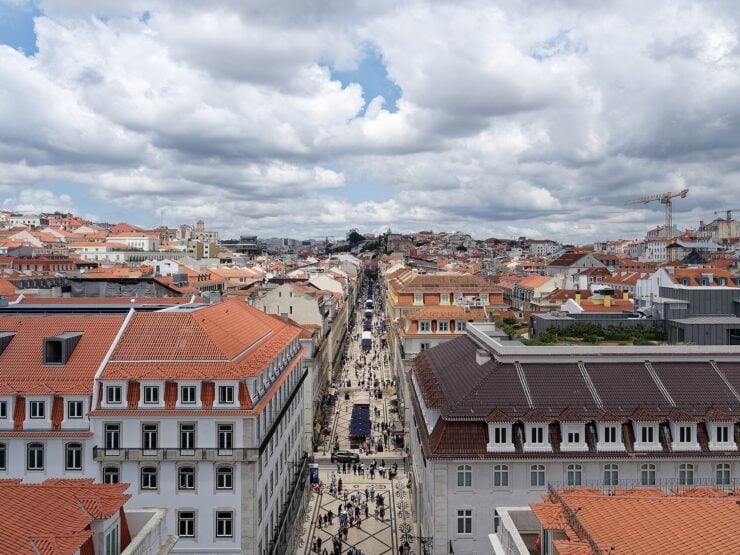
Is Portugal Safe? A Guide for Canadians
Planning a move, a long winter stay or a home purchase and wondering: is Portugal safe? The short answer is a happy yes. Portugal is one of the safest and most peaceful countries in the world, with very low violent crime, friendly communities and a relaxed pace of life that many Canadians fall in love with on their first visit.
This guide walks you through what safety really looks like day to day, from how Portugal compares with Canada to the simple habits that keep your trip or your new life worry-free. If you are still weighing the move, our guide to the pros and cons of living in Portugal is a great companion read.
Is Portugal Safe? The Short Answer
Portugal ranks 7th out of 163 countries in the 2026 Global Peace Index, a spot it has held every year since 2023. That puts it ahead of Canada, which placed 14th. The index looks at crime, violence, political stability and conflict, so it is a good overall picture of how calm a country is to live in.
The Government of Canada agrees. Its official travel advice for Portugal sets the lowest risk level, “take normal security precautions,” which means taking the same kind of care you would take in Canada. Portugal is stable, democratic, welcoming to newcomers and a member of the EU and NATO.
How Portugal Compares With Canada
Here is a quick side-by-side look at the numbers Canadians ask about most.
| Measure | Portugal | Canada |
|---|---|---|
| Global Peace Index 2026 | 7th of 163 countries | 14th of 163 countries |
| Homicide rate | About 0.7 per 100,000 people (2022) | 1.91 per 100,000 people (2024) |
| Canada’s travel advice level | Take normal security precautions | Not applicable |
| Emergency number | 112 | 911 |
| Most common issue for newcomers | Pickpocketing in busy tourist areas | Varies by city |
In plain terms, serious crime is even less common in Portugal than it is at home. Most Canadians who move here say the biggest change is simply feeling relaxed walking around town in the evening.
Petty Crime: The One Thing to Watch
If anything is going to happen to you in Portugal, it is most likely to be a lost wallet or phone, not anything more serious. Canada’s travel advice notes that pickpocketing and bag snatching are common in busy parts of Lisbon and Porto, and especially on Lisbon’s popular trams 15, 25 and 28. Crowded viewpoints, train stations and festivals are the other usual spots.
Thieves also look for easy targets in parked cars, especially rentals and cars with foreign plates. The fix is easy: keep nothing visible in the car, and keep your bag zipped and in front of you in crowds. Once you live here and blend in with the locals, petty theft becomes much less of a concern.
Is Portugal Safe for Women and Solo Travellers?
Portugal is a popular choice for solo travellers, retirees moving on their own and digital nomads, and most say they feel very comfortable. Streets and squares are busy with families well into the evening, and people are quick to help if you look lost.
The same common sense you use at home applies. In bars and nightclubs, keep an eye on your drink and never leave it unattended. Choose central, well-reviewed accommodation, share your plans with someone, and use licensed taxis or ride apps late at night.
Is Portugal Safe for Families and Retirees?
Very much so. Portuguese culture is warm and family centred, children play in town squares until late, and older people are treated with real respect. Many Canadian families tell us their kids enjoy more independence here than they did back home. Our guide to moving to Portugal with kids covers schools, healthcare and settling in.
Retirees love the calm small towns, walkable centres and easy access to care. Have a look at the best places to retire in Portugal if you are planning your next chapter.
Safe and Welcoming Places to Live in Portugal
Portugal is safe from north to south, so the right place for you really comes down to lifestyle. Here is a quick feel for the main regions:
- Lisbon: a lively capital with very low violent crime; just watch your belongings in the busiest tourist spots. See our guide to the best neighbourhoods in Lisbon.
- Porto: friendly, compact and easy to walk, with calm residential areas a short ride from the centre. Explore the best neighbourhoods in Porto.
- The Algarve: relaxed beach towns with large English-speaking communities and plenty of Canadians, especially in winter. Read our guide to buying property in the Algarve.
- The Silver Coast and inland towns: quiet, close-knit communities where neighbours know each other.
- The Azores and Madeira: peaceful island life, often described as some of the most laid-back places in Europe.
Beach and Ocean Safety
Portugal’s Atlantic coastline is one of its greatest joys, and the main thing to respect here is the ocean itself. Canada’s travel advice notes that strong rip currents are common, so swim at beaches with lifeguards and follow the flags: green means swimming is allowed, yellow means you can paddle but not swim, and red means stay out of the water. The Maritime Police can fine people who ignore the flags.
Never dive into water you don’t know, and take extra care on cliff paths in the Algarve and along the west coast. With these simple habits, the beaches are a wonderful, safe part of everyday life.
Summer Wildfires: What to Know
Like parts of British Columbia and Alberta, Portugal can see forest fires during hot, dry summers, mostly in rural inland areas. Cities and most coastal towns are rarely affected. If you are travelling in summer, follow local news and any instructions from the authorities.
If you are buying a rural home or a quinta, ask about the property’s fire safety, including the legal requirement to keep land around homes cleared of brush. A good local lawyer and agent will walk you through this as part of the legal process of buying property in Portugal.
Driving and Road Safety
Portugal’s highways are modern and well maintained, and most are tolled, so an electronic toll device in your car makes life easier. Some local drivers can be fast and assertive, especially on country roads, so drive defensively and give yourself extra time on narrow village streets. Roundabouts are everywhere, and the car already in the roundabout has the right of way.
Healthcare, Emergencies and Who to Call
Knowing who to call brings real peace of mind. Dial 112 for police, fire or an ambulance anywhere in Portugal. For non-urgent medical questions, the national health line SNS 24 (808 24 24 24) can advise you and direct you to the right clinic. Portugal also has tourist police stations in Lisbon, Porto, Cascais and Praia da Rocha, where you can report a theft and get a police report for insurance.
Canadians can reach the Embassy of Canada in Lisbon during office hours, or the Emergency Watch and Response Centre in Ottawa any time at +1 613 996 8885. Portugal’s public and private healthcare is excellent; our guide to healthcare in Portugal for Canadians explains how to access it.
Simple Safety Tips for Canadians in Portugal
- Carry smart: use a cross-body bag or a front pocket in crowds and on trams.
- Keep the car empty: leave nothing visible in a parked car, especially a rental.
- Watch your drink: in bars and clubs, keep your glass with you.
- Respect the flags: swim at lifeguarded beaches and follow the flag colours.
- Save 112: add it to your phone along with your embassy contact.
- Register your trip: sign up for the Registration of Canadians Abroad service so Ottawa can reach you in an emergency.
- Get insured: travel or private health insurance covers you until you are set up in the public system.
So, is Portugal safe? For the vast majority of Canadians, it is one of the safest and most relaxing places they have ever lived. A few easy habits are all it takes to enjoy everything the country has to offer.
FAQs: Is Portugal Safe?
Is Portugal safe for Canadians?
Yes. Portugal ranks 7th of 163 countries in the 2026 Global Peace Index, and the Government of Canada advises Canadians to take normal security precautions there, the same everyday care you would take at home.
What is the biggest safety risk in Portugal?
For most visitors and residents it is petty theft. Pickpocketing and bag snatching happen in busy tourist areas of Lisbon and Porto, especially on crowded trams, and thieves sometimes target rental cars. Violent crime is rare.
Is Lisbon safe at night?
Lisbon is generally safe at night, and its squares and restaurant streets stay lively until late. Use the same common sense you would in Toronto or Montreal: stick to well-lit streets, keep your phone and wallet secure in nightlife areas, and use a licensed taxi or ride app to get home.
Is Portugal safe for solo female travellers?
Many women travel and live in Portugal on their own and feel very comfortable. The usual big-city advice applies: watch your drink in bars and clubs, keep valuables close in crowds, and choose well-reviewed accommodation in central areas.
Is the tap water safe to drink in Portugal?
Yes. Tap water across mainland Portugal is treated and regularly tested, so it is safe to drink. Some people still prefer bottled water for the taste, especially in the Algarve.
What is the emergency number in Portugal?
Dial 112 for police, fire or an ambulance anywhere in Portugal, just like 911 at home. For non-urgent health advice, call the SNS 24 line at 808 24 24 24.
Talk to a Portugal Property Specialist
Every move is different. If you are a Canadian thinking about living or buying in Portugal, get in touch with Annamarie for a no-pressure conversation, or tell us what you are looking for on our Help Me Find a Property page.
Header photo: Jakub Hałun, CC BY 4.0.
This article is general information, not legal, safety or travel advice. Conditions can change, so check the Government of Canada’s travel advice before you go and confirm details for your situation with a qualified professional.
Have more questions?