
Pros and Cons of Living in Portugal for Canadians
Thinking about a move abroad? Weighing the pros and cons of living in Portugal is the smartest first step. Portugal offers sunshine, safety, great food and a slower pace of life at a lower cost than most of Canada, but it also comes with slow paperwork, lower salaries and a housing market that has heated up fast.
This guide gives Canadians an honest, balanced look at what life in Portugal is really like, from healthcare and taxes to winters, language and flights home, so you can decide whether it is the right fit for you and your family.
Quick Answer: Is Living in Portugal Worth It?
For most Canadians who bring their income with them, such as retirees, remote workers and people with savings or rental income, the answer is yes. The lifestyle, climate, safety and cost of living are hard to beat in Western Europe. The trade-offs are bureaucracy, local wages, rising property prices in the most popular areas and a few cultural adjustments. Go in with realistic expectations and good advice, and the pros usually win.
Pros and Cons of Living in Portugal at a Glance
| Topic | Pro | Con |
|---|---|---|
| Cost of living | Lower day-to-day costs than most of Canada | Rents in central Lisbon and the Algarve coast are high |
| Safety | Ranked 7th in the world in the 2025 Global Peace Index | Petty theft in busy tourist areas |
| Climate | Mild winters and long, sunny summers | Older homes are cold and damp in winter |
| Healthcare | Public SNS for residents plus affordable private insurance | Family doctor shortages and specialist waits |
| Paperwork | Clear visa routes for Canadians | Slow processing and long waits at AIMA |
| Language | English is widely spoken | Portuguese needed for paperwork and permanent residency |
| Money | Lower costs stretch Canadian pensions and savings | Low local salaries and high top tax rates |
The Pros of Living in Portugal
1. A lower cost of living
Day-to-day life in Portugal usually costs less than in Canada. Groceries, coffee, eating out, transit and private health insurance are all noticeably cheaper. A single person can live comfortably in much of the country on roughly €1,000 to €1,600 a month including rent. Our guide to the cost of living in Portugal vs Canada breaks down rent and everyday costs by region.
2. Safety and a relaxed pace
Portugal ranked 7th out of 163 countries in the 2025 Global Peace Index. Violent crime is rare, streets feel safe at night, and children often have more independence than at home. Life moves at a slower, friendlier pace, with long lunches, evening walks and a strong sense of community. For a closer look at crime, beaches and everyday safety, see our guide is Portugal safe?
3. Climate and outdoor living
Winters are mild, especially in Lisbon and the Algarve, where January afternoons are often comfortable enough for a walk on the beach. Summers are long and sunny, and you are never far from the ocean, hiking trails, vineyards or a café terrace. For Canadians tired of shovelling snow, this is often the biggest draw.
4. Good, affordable healthcare
Legal residents can register with Portugal’s public health service, the Serviço Nacional de Saúde (SNS), at little or no cost. Private hospitals are modern, and private insurance costs far less than most Canadians expect. Read more in our guide to healthcare in Portugal for Canadians.
5. English is widely spoken
Portugal ranked 6th of 123 countries in the 2025 EF English Proficiency Index, so you can get by in English in Lisbon, Porto, Cascais and the Algarve from day one. That makes the first months much easier while you learn the language.
6. Easy to reach from Canada
Air Canada, TAP Air Portugal and Air Transat fly nonstop from Toronto and Montreal to Lisbon in about seven hours, and Portugal is five hours ahead of Toronto and Montreal. Visiting family, or having them visit you, is far simpler than from Asia or Latin America.
The Cons of Living in Portugal
1. Slow bureaucracy
Paperwork is the number one frustration. The immigration agency, AIMA, has struggled with backlogs, and complaints about it rose by about 37% in early 2026. Expect appointments, document translations, apostilles and some waiting. A good lawyer and patience go a long way, and our Portugal residency guide explains each route.
2. Low local salaries
The national minimum wage is €920 a month in 2026, and professional salaries are well below Canadian levels. That is why Portugal works best for people with pensions, remote income or savings. If you plan to find a local job, research your field carefully before you move.
3. Rising home prices in popular areas
Property is no longer the bargain it was a decade ago. The national median reached about €2,445 per square metre in the second quarter of 2026, up 18.4% in a year, and Lisbon, Cascais and the central Algarve cost far more. See the latest figures in our guide to house prices in Portugal, and consider renting before you commit.
4. Cold, damp homes in winter
Many older Portuguese homes have little insulation and no central heating, so winters can feel colder indoors than in a well-heated Canadian house. Budget for heaters or a dehumidifier, or look for newer builds with heat pumps. It is one of the things that surprise Canadians in Portugal most.
5. Taxes and the end of NHR
Once you are tax resident, Portugal taxes your worldwide income at progressive rates from 12.5% up to 48% on mainland income above about €86,634, plus a solidarity surcharge on high incomes. The old NHR regime is closed to newcomers, and its replacement, IFICI, does not cover pensions. The Canada–Portugal tax treaty helps prevent double taxation, but get advice before you move.
Pros and Cons of Living in Portugal for Retirees
Portugal is especially popular with Canadian retirees. CPP is paid abroad and OAS usually is too, and the D7 visa needs only about €920 a month in passive income for the main applicant. Our guide to CPP and OAS in Portugal explains the tax side, and the best places to retire in Portugal compares towns. The main downsides for retirees are the language barrier with doctors outside the big cities, and the distance from grandchildren in Canada.
Pros and Cons for Families and Remote Workers
Families enjoy safe neighbourhoods, free public schools and plenty of outdoor space, though international school fees can be high. Remote workers can apply for the D8 visa with about €3,680 a month in income and enjoy fast internet and a large expat community. The trade-off for families is that most family reunification now needs two years of residence, so plan to move together where possible. Compare visa options in our Portugal D7 visa guide.
Residency, Visas and Long-Term Plans
- D7 visa: for passive income such as pensions, rental income or investments, about €920 a month for the main applicant.
- D8 visa: for remote workers earning about €3,680 a month from outside Portugal.
- Golden Visa: real estate no longer qualifies, since October 2023.
- Permanent residency: possible after five years of legal residence with A2 Portuguese.
- Citizenship: now requires 10 years of legal residence for Canadians, counted from your first residence permit.
How to Decide if Portugal Is Right for You
The best way to test the pros and cons of living in Portugal is to spend a few months there first, ideally including part of a winter. Rent before you buy, try daily life in two or three regions, and start learning Portuguese early. When you are ready to look at homes, browse our current Portugal listings to get a feel for prices.
- Income: do you bring a pension, remote salary or savings with you?
- Climate: are you happy trading snow for mild, wetter winters and indoor chill?
- Patience: can you handle slow paperwork and waiting for appointments?
- Distance: how often will you fly home to see family?
- Budget: does your target region fit your rent or purchase budget?
FAQs: Pros and Cons of Living in Portugal
What are the disadvantages of living in Portugal?
The biggest downsides are slow bureaucracy, especially at the immigration agency AIMA, local salaries that are low compared with Canada, rising home prices in Lisbon, Porto and the Algarve, and older homes that are cold and damp in winter. Most Canadians find these manageable with good planning and patience.
Is it cheaper to live in Portugal than in Canada?
For most Canadians, yes. A single person can live comfortably in much of Portugal on roughly €1,000 to €1,600 a month including rent, and groceries, eating out, transit and health insurance usually cost less than at home. Central Lisbon and the Algarve coast are the exceptions, where rents can be close to Canadian city levels.
Is Portugal a good place for Canadians to live?
Portugal is one of the most popular choices for Canadians moving abroad. It is safe, sunny and relaxed, English is widely spoken, healthcare is good and affordable, and there are nonstop flights from Toronto and Montreal. It suits people who bring their income with them better than people who need a local job.
Can a Canadian live in Portugal permanently?
Yes. Canadians can apply for a residence visa such as the D7 for passive income or the D8 for remote work, renew their residence permit, and apply for permanent residency after five years with A2 Portuguese. Citizenship now requires 10 years of legal residence for Canadians.
Do you need to speak Portuguese to live in Portugal?
Not for daily life in Lisbon, Porto or the Algarve, where many people speak excellent English. Learning some Portuguese makes paperwork, healthcare and friendships much easier, and A2 Portuguese is required for permanent residency and citizenship.
What do expats dislike most about living in Portugal?
The most common complaints are paperwork and long waits at government offices, cold houses in winter, slower service than Canadians are used to, and housing costs that have risen faster than local wages. Many expats say the lifestyle more than makes up for it.
Talk to a Portugal Property Specialist
Every move is different. If you are a Canadian thinking about buying in Portugal, get in touch with Annamarie for a no-pressure conversation, or tell us what you are looking for on our Help Me Find a Property page.
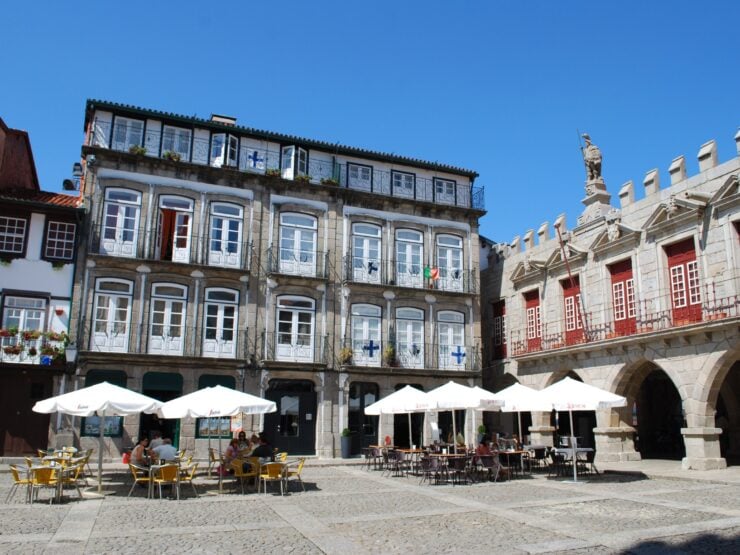
Header photo: Concierge.2C, CC BY-SA 3.0.
This article is general information, not legal, tax or financial advice. Rules change often, so confirm details for your situation with a qualified professional.
Have more questions?